Open data can help to improve reproducibility, transparency, and trust in research, playing a key role in open science. However, while it has lots of benefits, researchers working with sensitive or commercial information can face challenges with data sharing practices. In our blog, we explore how researchers can share sensitive data openly and safely.
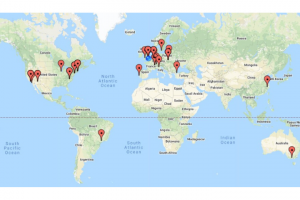
There to advise, encourage and support you on best data practices. In this piece, data stewards from different institutions around the globe have kindly shared their knowledge and expertise. For those in need of inspiration and useful pointers, read through these pieces of advice on why and how to openly share your data.
Muzlifah Haniffa is a co-coordinator of the Developmental Biological Network within the Human Cell Atlas (HCA) initiative. In this blog, she tells us more about this global initiative, requiring multidisciplinary expertise, and how its ambitious effort to map every cell in the human body can improve our understanding of human health, as well as diagnosing, monitoring, and treating disease.
As the drive for transparent research progresses, the ECRAB invites you to be part of the greater good and submit a data note for publication on Wellcome Open Research.
In this blog post, Quentin Leclerc, a PhD student working on antimicrobial resistance, discusses his and his colleagues’ article, published on Wellcome Open Research, and explains why they chose to use not one, but four, open datasets and the benefits of doing so.
Separating the facts from fiction – It is time to silence the myths and shine a light on the truth about data sharing. In this piece, we cover all angles on the forms and types that data exists as; show you that help is available and who you can turn to for information and guidance; and how data sharing actually establishes and confirms ownership of your data via authorship.
Roser Vento, Wellcome Sanger Institute, designed CellPhoneDB, a novel repository of cells and their interactions, and applied this computational and genomics tool to study cellular connections from transcriptomics data. In this blog, Roser explains why CellPhoneDB is a unique database and why her team encourages fellow researchers to share their own cell interactions on the database.
Jana Hutter, a member of the Early Career Researcher Advisory Board for Wellcome Open Research, and an open data convert, who despite all the barriers she had to overcome, now sees open data as the best way forward for research. Here’s her story.
On Open Data Day on 7th March, the Early Career Researcher Advisory Board (ECRab) for Wellcome Open Research joined the celebrations with the launch of our data sharing campaign. We want to grow a culture of data sharing by raising awareness, sharing information and developing discipline specific resources on data sharing to help all researchers shift to open science practices. In this blog, the ECRAB outline our plans and give a taste of things to come over the next year.
Data sharing and COVID-19- the pandemic is changing the way scientists work and talk to each other. The Early Career Researchers advisory board at Wellcome Open Research discuss how COVID-19 is changing science.